



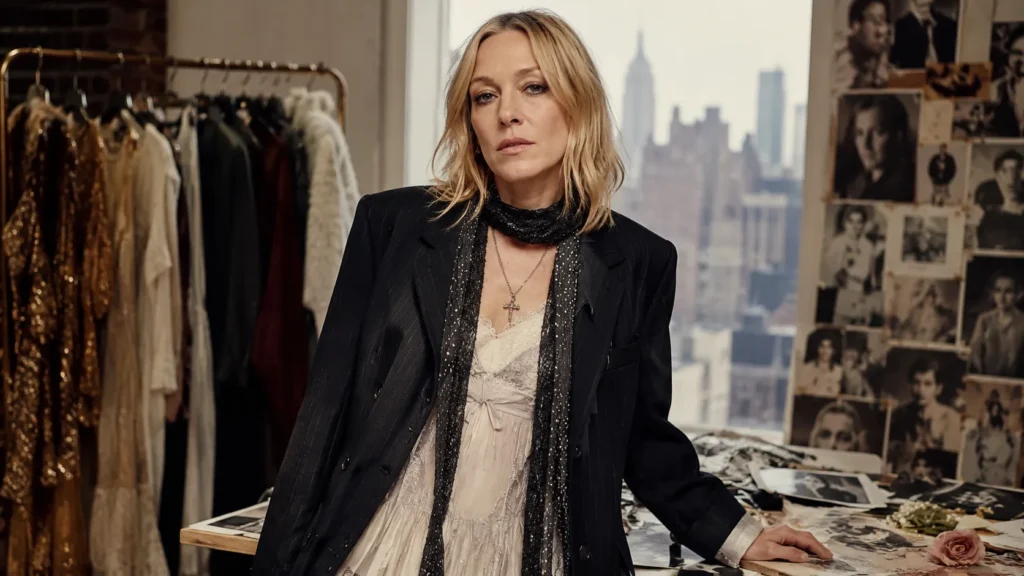
Chloë Sevigny’s style has never played by the standard Hollywood fashion rulebook. While her peers constantly rely on corporate styling teams and predictable red-carpet sponsorships, her legacy stands on genuine personal instinct, a historian’s deep knowledge of vintage gear, and an odd knack for making unconventional pieces look effortlessly cool.
Her grip on culture isn’t about a singular viral dress. It spans over three decades, moving from her days as a 1990s downtown New York indie icon to current archival red carpets, cult design tie-ins, and historic closet sales. In a sea of algorithmic celebrity styling, her wardrobe looks genuinely lived-in and unapologetically personal.
This authenticity is why her influence endures. It shows how personal style can drive long-term business equity without looking manufactured.
Key Takeaways
- Pure Authenticity: Success driven by zero interest in fast-moving internet trend cycles.
- The High-Low Formula: Unpredictable mixing of rare vintage finds with cutting-edge designer tailoring.
- Ahead of the Curve: Her lifelong thrifting habit became the modern blueprint as the resale market exploded globally.
- Massive Consumer Demand: Block-wrapping lines at her 2023 closet sale proved her aesthetic carries high commercial value.
- Industry Blueprint: Designers and stylists treat her as a permanent mood-board reference, not a passing trend.
Why Chloë Sevigny’s Style Still Gets Attention
Sevigny is incredibly tough to copy because she lacks a static formula. She oscillates between babydoll dresses, sharp masculine coats, and worn-out graphic tees, yet every outfit keeps a singular, distinct voice.
W Magazine notes this deep connection to downtown New York’s subcultures, showing how her stylistic impact hasn’t lost steam after thirty years. While most stars change identities when they switch brand contracts, Sevigny has a fixed visual language built on strange proportions, historical nods, and a total refusal to dress for mass approval.
The Core of Her Fashion Formula
Her wardrobe works because it isn’t flawless. She leans heavily into experimental, slightly chaotic combinations that stick in people’s minds far longer than a safe, polished red carpet look.
Her looks constantly balance opposing elements:
- Throwing rare, decades-old thrift items into fresh runway designer looks.
- Hard masculine tailoring balanced against delicate, soft feminine laces.
- Bringing casual, street-level grime into highly formal event spaces.
Speaking to Vogue, Sevigny once mentioned her preference for “fashion with a point of view” clothes carrying historical weight that still function on a street level. She doesn’t dress simply to look rich; she dresses to communicate subcultural literacy.
A Style Timeline: From Indie Film to Fashion Authority
Period | Style Moment | Why It Mattered |
1990s | Indie film breakthrough and downtown NY street fame. | Created an edgy alternative to safe, traditional 90s Hollywood glamour. |
Late 1990s – 2000s | Subverting formal event dress codes. | Proved red carpet fashion could be eccentric, raw, and highly individualistic. |
2010s | Front-row permanence and street style dominance. | Demonstrated her relevance wasn’t a nostalgic flash in the pan. |
2020s | Archive sales and fronting the modern circular economy. | Merged her personal style archive with Gen Z’s demand for sustainable luxury. |
The Business Value of Being “Uncopyable”
In retail, a distinct look translates directly into commercial power. Sevigny hands luxury brands instant cultural credibility that standard paid influencer campaigns can’t replicate. When she wears a designer label, it feels like an organic endorsement, not a PR contract.
Her multi-year collaboration with Opening Ceremony proved she understood the literal mechanics of retail. As modern fashion houses search for actual cultural authority over simple digital reach, icons like Sevigny are essential. A reality star might drive short-term clicks, but Sevigny builds permanent brand prestige.
The Closet Sale That Proved Her Cultural Power
Her 2023 New York City archive sale offered hard proof of her commercial draw. Dubbed “The Sale of the Century” by Vogue, thousands of fans swarmed the blocks to buy items directly from her storage units.
Modern shoppers don’t just want to like her outfits online they want a physical piece of her curation.
W Magazine reported chaotic lines wrapping blocks for hours. This response maps directly to a massive consumer shift: secondhand clothing is no longer a budget shortcut; it is a premium status symbol for a generation exhausted by cookie-cutter mall fashion.
Resale Fashion Gives Her Style New Relevance
Sevigny’s lifelong thrifting habit aligns perfectly with current market economics. ThredUp’s 2025 Resale Report projects the U.S. secondhand market will hit $74 billion by 2029, with global figures reaching $367 billion. Following a 14% jump in 2024, consumer shopping habits have clearly altered. Her personal ethos mixing rare high fashion with cheap thrift finds mirrors how younger generations build their daily wardrobes today.
Market and Business Impact Analysis
- Inflating Vintage Value: Attaching a legendary name to archival clothing changes its perceived value, turning used items into luxury collectibles.
- Artistic Brand Placement: Luxury labels partnering with her inherit an artistic edge, making commercial collections feel culturally significant.
- Replacing Lazy Ads: Modern consumers demand rich narratives over simple product placement. An outfit carrying history moves products better than a safe corporate look.
- Stylistic Longevity: Her career proves long-term brand equity doesn’t require constant aesthetic changes. Consistency remains a highly profitable asset.
Consumer Impact: Wardrobe Lessons
- Ditch TikTok micromanaged trends; invest in items that spark genuine personal interest.
- Avoid wearing single-brand logos head-to-toe; break up looks with unexpected vintage items.
- Stop trying to look perfectly polished; balanced imperfection has more character.
- Focus purely on fabric textures, garment proportions, and personal posture over brand naming.
Great fashion relies entirely on personal taste, not a massive bank account. The core rule is straightforward: know yourself, take risks, and refuse to dress like everyone else.
Competitive Landscape: Standing Apart
While stars like Zendaya, Rihanna, and Bella Hadid dominate fast online trend cycles, Sevigny occupies a completely separate lane. She isn’t a trend accelerator making fast-fashion tops sell out instantly; she is an industry reference point. Her influence trickles down quietly, shaping the mood boards of elite designers, fashion students, and the vintage dealers who style other celebrities. Trends expire fast, but references stay.
Industry Context and What Comes Next
The fashion industry is stuck in a battle between hyper-speed digital trends and deep consumer fatigue. Sevigny’s style functions as the antidote. She champions clothing requiring context and confidence, serving as a symbol of creative freedom inside a highly corporate market.
As Gen Z and Gen Alpha continue mining the internet for 90s and Y2K history, Sevigny’s personal archive remains a primary text. She isn’t a nostalgic museum piece; she remains an active participant in modern style, showing younger generations exactly how real personal identity is built.Sevigny’s

