


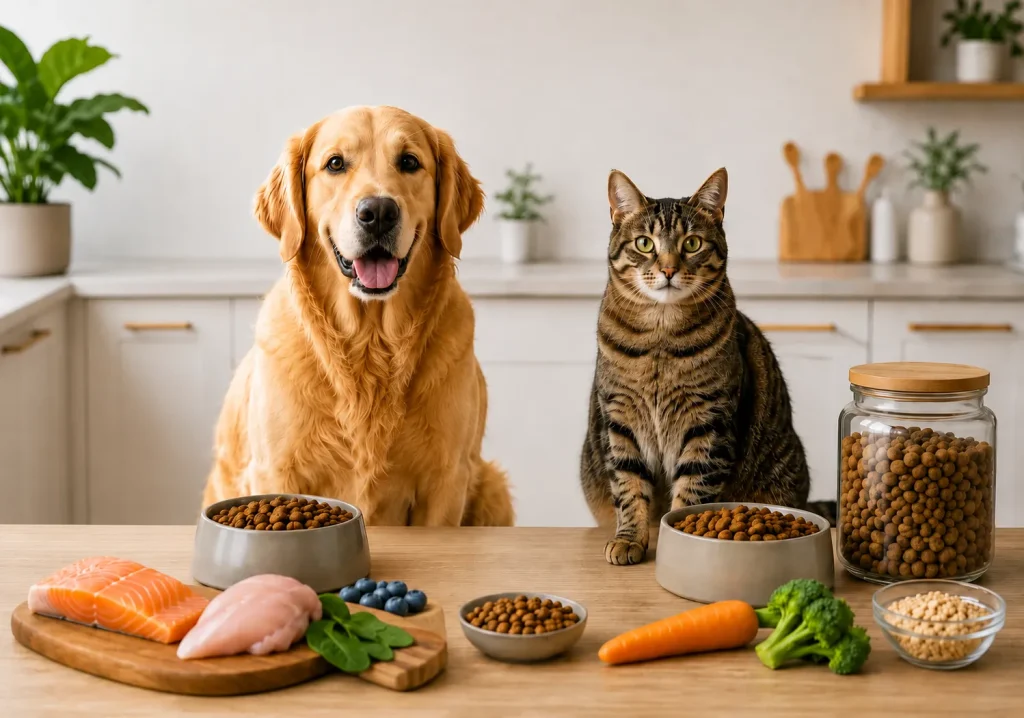
Pet food is changing, and it is changing because pet owners are changing too. People are no longer picking up the first bag of dog or cat food they see on the shelf. Many owners now want to know what is inside the food, why it matters, and whether it actually suits their pet.
For years, pet food was mostly chosen by age or type. Puppy food, adult dog food, kitten food, indoor cat food — these labels made the decision feel easy. But pets are not all the same. A small indoor dog does not live the same life as a large active dog. A senior cat with a slow routine may need something very different from a young cat that runs around all day.
That is one of the reasons personalized pet nutrition is becoming such a big part of the pet food industry. It gives pet owners a way to think beyond basic labels and choose food based on what their pet really needs.
Why More Pet Owners Want Custom Diets
Many people now treat their pets like family, so they care more about what goes into their food. They look at ingredients, compare brands, and try to avoid food that feels too generic. Some owners are also dealing with real problems, such as allergies, weight gain, stomach issues, dull coats, or low energy.
Custom pet food does not have to be a fancy meal plan. Sometimes it just means looking at the pet in front of you and choosing food that fits its normal day. An older pet, an active pet, a pet that gains weight quickly, or one that has had stomach trouble before may not all do well on the same food.
For example, a dog that is always ready for a walk, runs around the yard, or plays for long hours may need a diet that can support that busy routine. A calmer pet that spends most of the day indoors may need something different. That is the real point of personalized feeding: matching the food to the pet’s life, not just to the label on the bag.
. An older cat that stays indoors most of the day may need something lighter and easier to digest. Some pets also react badly to certain ingredients, so a simple recipe with fewer ingredients can sometimes be the better choice.
That is why personalized feeding feels useful for many pet owners. It is not only about choosing a popular brand or an attractive label. It is about understanding the pet’s routine, body condition, and comfort before deciding what goes into the bowl.
What Makes Personalized Pet Food Different?
Personalized pet food is different because it is not made around one general idea of what a dog or cat needs. It tries to match the food to the individual pet.
Some brands do this through online quizzes. They ask about the pet’s weight, age, breed, daily routine, eating habits, allergies, and health concerns. After that, they suggest a recipe, meal plan, or product range.
Of course, this does not mean every pet needs a special diet. Many pets do well on simple, balanced food. But for pets with specific needs, a more personal approach can make feeding less confusing.
It can also help owners notice when a diet is no longer working. A pet may gain weight, become less active, develop allergies, or struggle with digestion as it gets older. When that happens, the same food may not be the best choice anymore.
Gut Health Is Getting More Attention
Digestive health is now one of the biggest topics in pet nutrition. Many owners have seen how much food can affect a pet’s comfort. If a pet has gas, loose stool, vomiting, poor appetite, or regular stomach upset, diet is often one of the first things people look at.
That is why ingredients like fiber, probiotics, prebiotics, and quality protein are becoming more common in pet food. These ingredients are often used to support digestion and help pets feel more comfortable after meals.
Functional pet food is growing for the same reason. Pet owners are looking for food that does more than fill the bowl. They want products that may support skin and coat health, joint movement, immune health, weight control, or digestion.
This does not mean every health claim on a label should be trusted without question. But it does show that pet owners are paying closer attention to how food affects everyday health.
Technology Is Changing the Way People Buy Pet Food
Technology has made personalized pet nutrition easier to access. Some companies now use online forms, subscription plans, health tracking, microbiome testing, and AI-based tools to recommend food.
A pet owner can enter basic information about their dog or cat, and the system suggests food based on those answers. Some services also update recommendations over time if the pet gains weight, loses weight, becomes less active, or develops new sensitivities.
This is useful because pets do not stay the same forever. Their diet may need to change as they age, move less, become more active, or face health problems.
Technology cannot replace a veterinarian, but it can help owners ask better questions and understand their pet’s needs more clearly.
Pet Owners Still Need to Be Careful
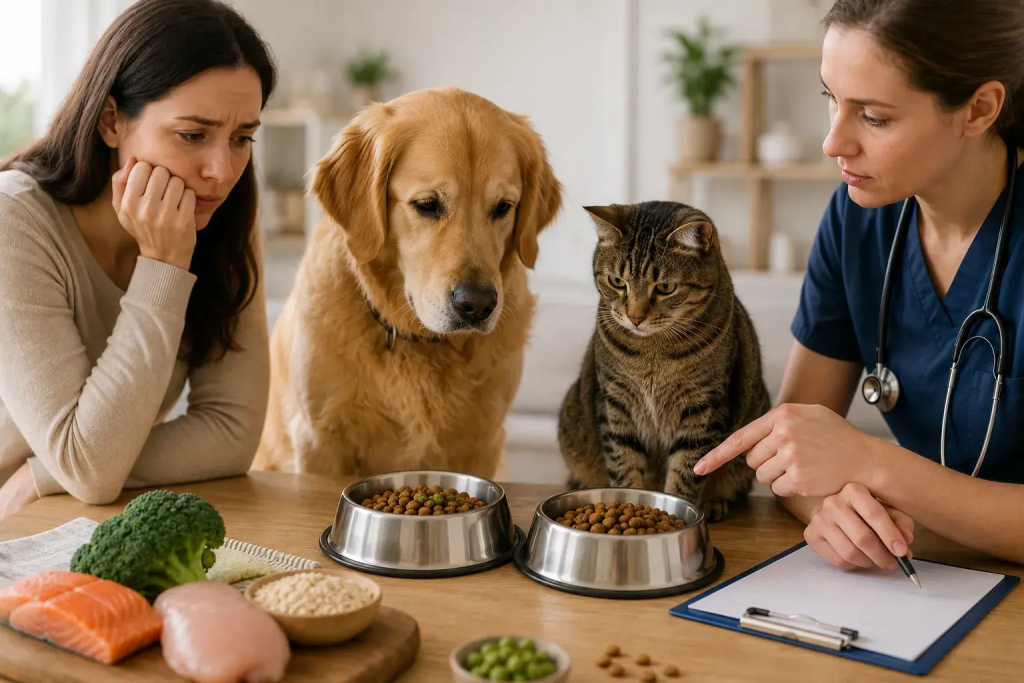
Personalized nutrition can be helpful, but it should not be treated like a magic fix. A food that works well for one pet may not work for another. Some products look healthy on the label but may still not be suitable for a specific dog or cat.
Diet changes should also be done slowly. Switching food too quickly can upset a pet’s stomach. It is better to mix the new food with the old food over several days and watch how the pet reacts.
Pet owners should pay attention to signs such as appetite changes, vomiting, diarrhea, itching, low energy, or sudden weight changes. If any of these problems appear, the food may not be the right fit.
For pets with allergies, obesity, diabetes, kidney disease, digestive problems, or any medical condition, a veterinarian’s advice is important before changing the diet.
The Future of Pet Food Is More Personal
Personalized pet nutrition is not just a passing trend. It is becoming part of how people think about pet care. Owners want better ingredients, clearer labels, and food that fits their pet’s real lifestyle.
The future of pet food is moving toward more specific choices, not the same food for every pet. Some pets may need help with digestion, some may need better weight control, and some may need ingredients that suit a sensitive stomach. This is why custom meal plans, clearer labels, and health-focused ingredients are becoming more important.
Good nutrition does not always mean buying the most expensive food or following every new trend. It means choosing food that actually fits the pet’s age, routine, health, and comfort.
. It is about choosing food that suits the pet in front of you.
When a diet matches a pet’s age, health, routine, and digestion, it can make a real difference.The right food can help a pet stay active, keep a healthy body weight, digest meals more easily, and feel better day to day. That is why personalized pet nutrition is becoming such an important part of the future of pet food.
