


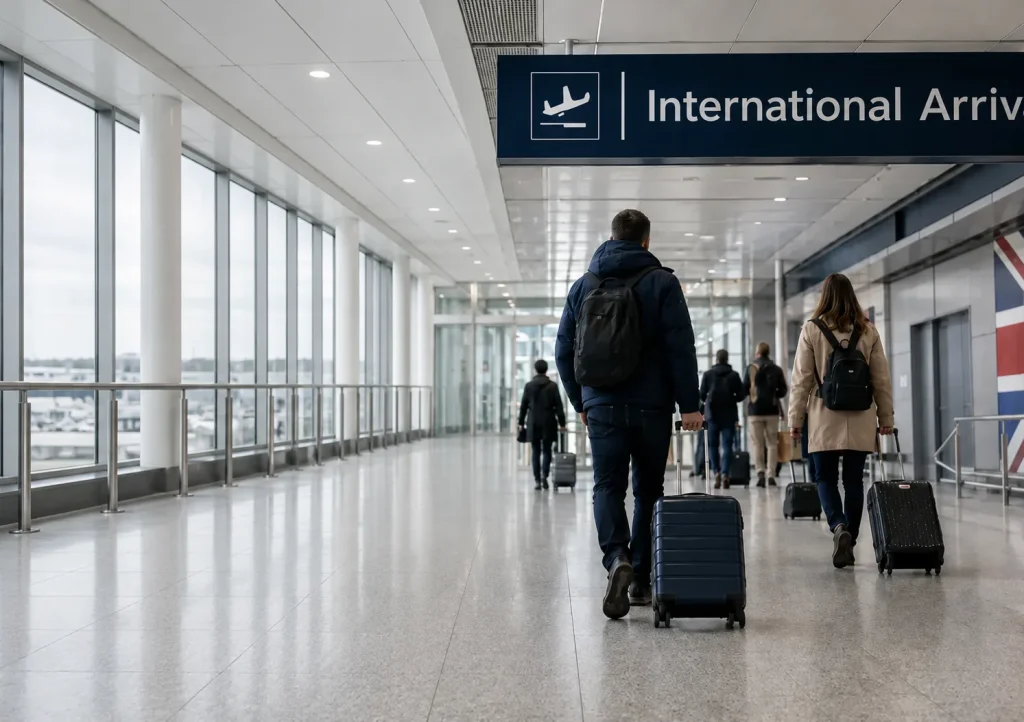
UK net migration has fallen sharply, with official figures showing that migration added 171,000 people to the country’s population last year. The number is almost half of the figure recorded in 2024 and marks one of the lowest levels seen since 2012, excluding the Covid pandemic period.
The latest data shows a major slowdown in the number of people moving to the UK, particularly from outside the European Union. Officials said the decline has mainly been driven by fewer people arriving for work.
Government Says Migration Controls Are Working
The prime minister said the figures showed that the government was making progress, but also accepted that more action was still needed. He said the government plans to move toward a skills-based immigration system that focuses on contribution and reduces dependence on lower-paid overseas labour.
The home secretary also welcomed the figures, saying they showed progress in restoring control at the UK’s borders. However, opposition politicians argued that the government still needs to go further to reduce migration numbers.
Why Net Migration Has Fallen
Several immigration policy changes introduced in early 2024 are believed to have played a role in the fall. These included new restrictions on most international students bringing family members to the UK and limits on care workers bringing dependents.
The salary threshold for skilled worker visas was also increased from £26,200 to £38,700. The income needed to sponsor a family member for a UK visa was also increased by more than £10,000.Because of the tougher rules, it has become more difficult for some overseas workers, students, and families to qualify for UK visas.
The government has also announced further plans to reduce net migration. These include stronger English language requirements and an increase in the skilled worker visa income threshold to £41,700.
Asylum Claims Fall but Remain High
The official figures also show that 93,525 people claimed asylum in the UK in the year to March 2026. This was 12% lower than the previous year, but still more than double the level seen before the pandemic.
Asylum accommodation has remained a sensitive political issue. By March 2026, hotel use had fallen to 20,885 asylum seekers, compared with 30,657 in December 2025. The figure is now well below the peak of 56,000 recorded in September 2023.
Small Boat Crossings Remain a Challenge
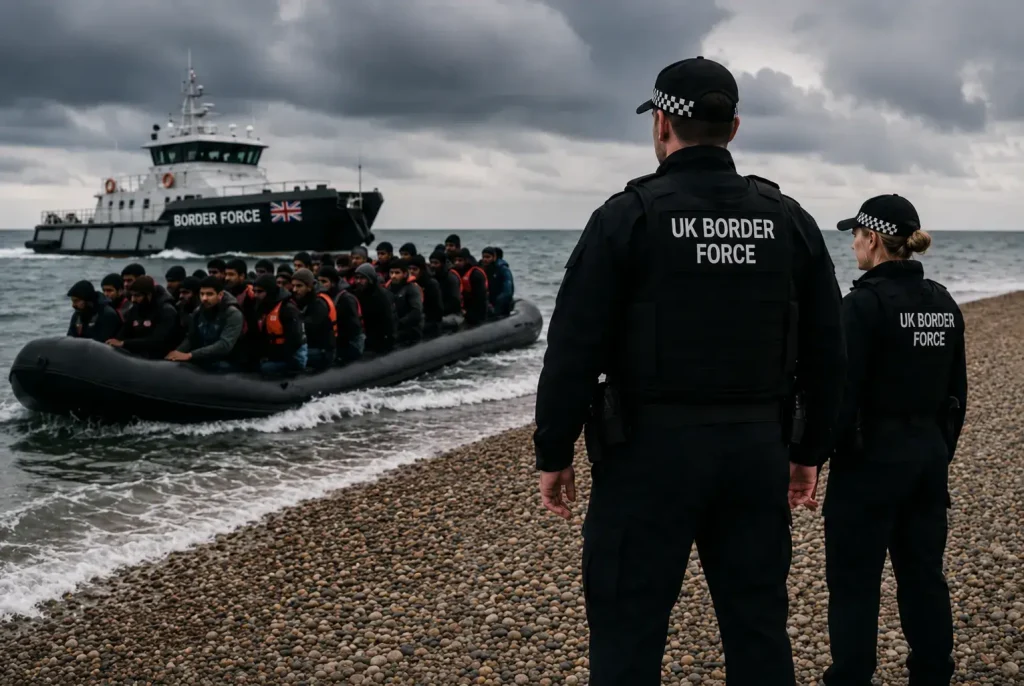
Small boat crossings continue to be a major concern for the UK government. In the year to March 2026, officials recorded 43,806 people arriving through illegal routes. Around 90% of those arrivals were linked to small boat crossings.
The government says it wants to speed up the removal of people who do not have a legal right to remain in the UK. It has also promised tougher action against the routes and networks used for illegal migration.
More People Leaving the UK
The data also shows that just over 800,000 people immigrated to the UK in 2025, which was 20% lower than the previous year. At the same time, around 642,000 people left the UK to live abroad long-term.
There has also been a political debate over the number of British nationals leaving the country. Some politicians have claimed this shows growing concern among UK citizens, but officials said British emigration has remained broadly stable in recent years.
Political Reaction
The latest migration numbers have triggered strong reactions across the political spectrum. Government ministers said the figures prove that immigration policies are starting to have an effect. Opposition parties, however, said migration remains too high and called for tougher reforms.
Political reactions were mixed. Some leaders called for tougher immigration rules, while others raised concerns about more British nationals choosing to leave the UK. One group also blamed wider economic pressures and said the country should work more closely with European partners.
What the Migration Drop Means for the UK
The fall in UK migration to 171,000 shows a noticeable change from the previous year. Fewer people coming to the country for jobs and studies appear to be a major reason behind the decline. Stricter visa rules have also made it harder for some applicants to move to the UK.
Even with this drop, the wider debate is not over. Asylum applications, small boat arrivals, and future border rules are still putting pressure on the government. Ministers may see the latest numbers as progress, but migration is likely to stay a major political issue in the UK over the coming months.
