



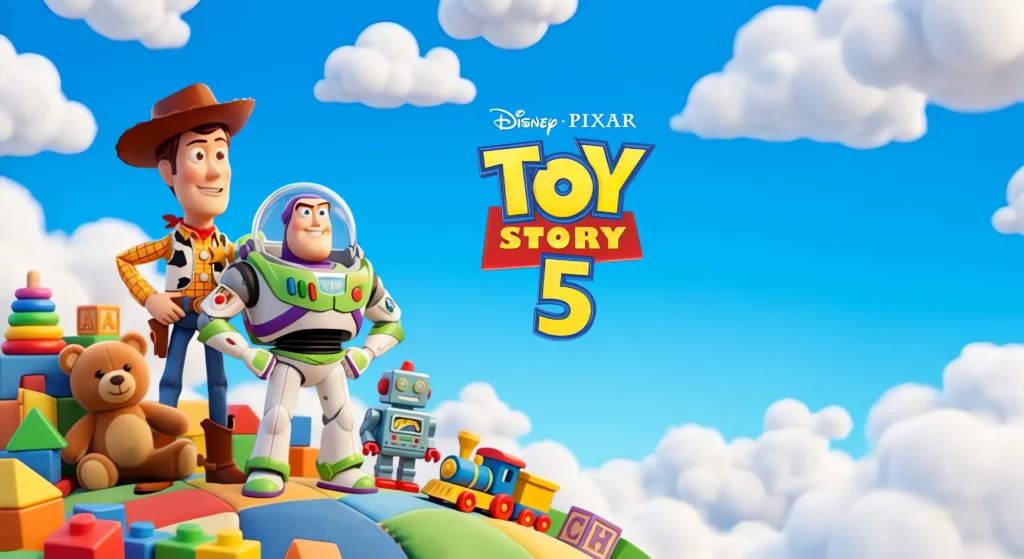
Let’s be honest-when Pixar announced yet another sequel to a story that already felt perfectly wrapped up, many of us groaned. Writing a Toy Story 5 review wasn’t something I expected to do, especially knowing how risky it is to touch a franchise that shaped so many childhoods. Yet, here we are. This time around, Woody, Buzz, and the rest of the bedroom gang aren’t just fighting a greedy toy collector or a bitter teddy bear. They are up against something far more terrifying to a toy: the hypnotic, blue-light glow of an iPad screen.
As someone who grew up watching Andy scribble his name on Woody’s boot, I walked into the theater with a heavy dose of skepticism. What I walked out with was a surprising amount of respect for how Pixar tackled a very real, very messy modern parenting nightmare. It’s not a flawless movie, but it has a pulse, and more importantly, it actually has something to say.
The Plot: Traditional Playtime vs. Digital Distraction
The entire narrative engine of Toy Story 5 hinges on a crisis that feels almost too real for comfort. Bonnie gets her hands on a sleek, kid-friendly tablet, and almost overnight, the old toy box is forgotten. For the toys, this isn’t just about losing playtime; it’s a terrifying threat to their entire reason for being.
What Makes This Conflict Hurt So Much:
- The Invisible Enemy: There’s no physical villain here. The toys are quite literally fighting against a glossy screen and an algorithm designed to hook a child’s attention span.
- No Preachy Lectures: Thankfully, the writers didn’t just turn this into an anti-technology rant. The film recognizes that tablets are a part of modern life, but highlights how easily they can swallow up a child’s raw, messy imagination if left unchecked.
- The Parent Trap: If you’re a parent watching this, the exhausting, daily negotiation over screen limits is going to hit you like a ton of bricks.
Critic’s Analysis: My Firsthand Perspective on Pixar’s Gamble
From a critic’s viewpoint, making a fifth film work requires more than just shiny animation—it requires genuine emotional stakes. Having analyzed Pixar’s storytelling formulas for over a decade, I noticed a massive shift in how this movie handles its legacy.
My Director’s Note: The smartest thing the creative team did was stepping away from the predictable Woody-and-Buzz dynamic. By shifting the emotional weight onto a character who already carries deep psychological scars from the past, the film manages to feel like a necessary chapter rather than a lazy cash grab.
Jessie Takes the Lead: The Emotional Anchor
That bring us to the best creative decision in the entire movie: putting Jessie right at the center of the storm. Because of her heartbreaking backstory with Emily back in Toy Story 2, Jessie has always been the most fragile yet fierce character in the room.
Why Jessie’s Role Steals the Show:
- Old Wounds Reopened: As Bonnie drifts deeper into her digital world, Jessie’s deep-seated fear of abandonment comes rushing back, giving the movie its most raw, tear-jerking moments.
- A Fresh Energy: While Buzz Lightyear and Woody still get their moments to shine, it’s Jessie’s chaotic, brave, and deeply vulnerable energy that keeps the story moving forward when it threatens to drag.
Visual Brilliance: Tactile Warmth vs. Cold Glass
Visually, Pixar has done something incredibly subtle but brilliant here. They’ve used their animation budget to create a psychological divide on the screen.
|
Element in Focus |
How it Looks |
How it Feels |
|
The Toy Box Gang |
Scuffed leather, loose threads, warm textures. |
Represents old-school comfort, history, and active imagination. |
|
The Digital Tablet |
Ultra-sleek, blindingly bright, perfectly smooth. |
Represents the cold, commanding, and hypnotic nature of tech. |
You don’t need a monologue to understand what’s happening; just looking at the warm, worn-out plastic of Rex sitting next to a glowing, flawless screen tells you everything about the emotional distance growing in Bonnie’s room.
Where the Film Falters: The Safety of Nostalgia
Look, no Toy Story 5 review would be fair without pointing out where Pixar played it a bit too safe. Franchise fatigue is real, and it shows in a few corners of this script.
- Predictable Emotional Beats: Let’s face it, we’ve been crying about toys being forgotten since 1999. While the iPad twist gives the theme a fresh coat of paint, the underlying anxiety is exactly the same as it was three movies ago.
- A Crowded Room: When you have this many beloved characters, someone is bound to get sidelined. Fan favorites like Slinky, Hamm, and Mr. Potato Head are basically reduced to background cameos to keep the plot moving.
Final Verdict: Is It Actually Worth Your Time?
Toy Story 5 isn’t going to replace Toy Story 3 as the emotional peak of the franchise, and that’s fine. What it does do is earn its place on the shelf by confronting a massive cultural shift happening in households right now. It gives parents and kids a gentle, non-judgmental mirror to look into regarding their own screen habits.
If you’re looking for a comforting, beautifully animated trip down memory lane that will actually spark an important conversation with your kids after the credits roll, this one is absolutely worth the price of admission.

