



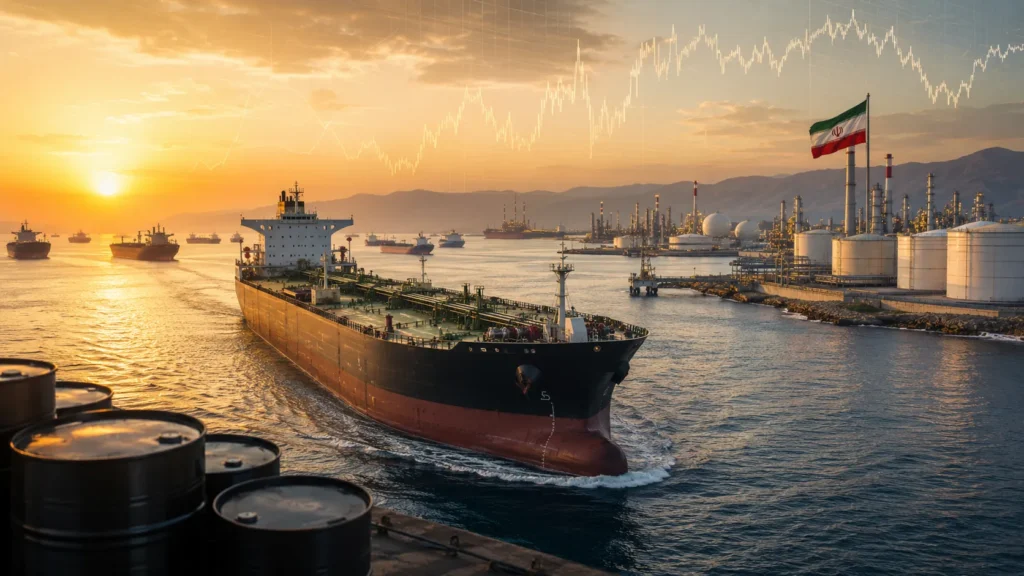
Crude benchmarks took a sharp U-turn on Monday, causing a noticeable drop in global energy markets. The main trigger? Fresh diplomatic talks between the US and Iran. The sudden diplomatic breakthrough caught energy desks by surprise, successfully taking the edge off intense market anxieties over potential supply shortages and forcing a rapid recalculation of geopolitical risk premiums.
During early trading hours, Brent crude dipped back below the crucial $80-per-barrel mark, while US crude futures saw highly volatile, choppy trading. Just a day earlier, brewing Middle East tensions looked ready to push prices through the roof. However, the trading floor sentiment flipped completely the moment positive signals emerged from the diplomatic tables in Switzerland.
How the US-Iran Talks Cooled the Market
The latest round of closed-door discussions between senior US and Iranian officials in Switzerland yielded much better-than-expected progress. According to trusted energy desk sources, Tehran has reportedly secured critical structural waivers regarding its oil and petrochemical exports. In return, the country is expected to gain partial access to frozen foreign assets designated for domestic development.
From a trading floor perspective, this development delivers three immediate shifts:
- Shrinking Supply Deficit: Lifting rigid restrictions on Iranian crude alleviates near-term fears of a global energy squeeze.
- Downward Price Pressure: When physical buyers anticipate a steady influx of oil, panic buying dries up, dragging spot prices down.
- Evaporating Early Rallies: The morning price spikes driven by fears surrounding shipping blockades completely deflated by afternoon trading as diplomacy took center stage.
The Expected Return of Iranian Oil Exports
The primary factor keeping a tight lid on crude prices is the projected return of Iranian barrels to international waters. Ground intelligence indicates that several domestic shipments have already resumed following the easing of recent naval restrictions and regional standoffs.
Expert Insight: “Iran is currently sitting on millions of barrels of floating crude storage. If these volumes integrate smoothly into global supply chains, it will significantly offset the supply strain on competing grades, allowing global prices to stabilize further.” – Senior Global Energy Analyst
Neighboring Producers Step Up Supply
Iran isn’t the only nation altering the global supply outlook. Seizing on the shifting market dynamics, other major Middle Eastern producers-specifically the UAE, Kuwait, and Iraq-have actively started offering additional crude volumes to their primary Asian and European customers.
Regional Production Breakdown
Country | Production Outlook & Strategy | Target Capacity / Impact |
Iraq | Restoring output capacity systematically as local infrastructure stabilizes. | 4.2M to 4.3M barrels per day |
UAE & Kuwait | Ready to allocate extra volumes to contract buyers looking to diversify. | Immediate Volume Boost |
Logistics | Moving pre-existing, delayed inventories rather than fresh drilling. | Short-term Market Relief |
Will a Full Supply Recovery Be That Simple?
While the market’s initial reaction has been calm, the broader logistical reality remains incredibly complex. Bringing millions of barrels back online sustainably faces steep operational hurdles:
- Infrastructure Bottlenecks: Years of structural sanctions mean older oil fields, pipelines, and export terminals require extensive maintenance before hitting peak capacities.
- Political Fragility: The supply outlook remains highly fragile. If diplomatic talks stall or break down unexpectedly, exports could freeze overnight.
- Shipping Security Risks: High freight insurance rates and transport costs will persist until vital shipping lanes are deemed entirely secure by international navies.
The Strait of Hormuz Risk Factors
Despite the current price drop, veteran energy desks are keeping a close watch on the Strait of Hormuz. As the world’s most critical maritime chokepoint for oil transit, any friction here has an immediate multiplier effect on global energy economics.
Tehran’s earlier rhetoric regarding a potential closure of the strait triggered massive volatility. While current diplomacy has quieted those fears, the undercurrent remains tense. A single maritime incident, drone strike, or a breakdown in negotiations could instantly reinstate risk premiums and send oil prices surging back up.
Geopolitical Realities: Ongoing Middle East Instability
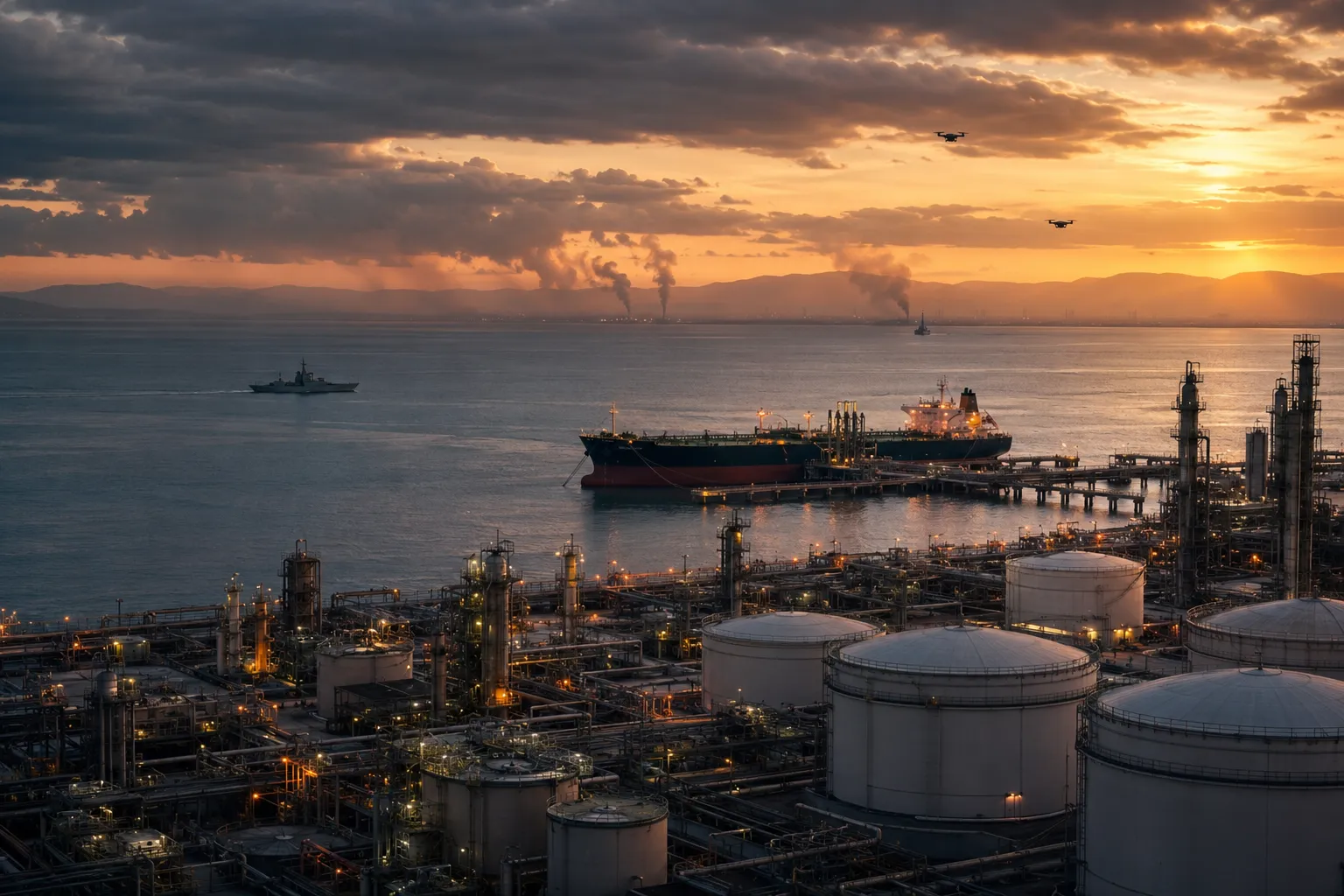
The energy sector’s cautious tone is further justified by ongoing developments across the region. Ongoing friction in Lebanon-even amid truce discussions-reminds energy investors that Middle Eastern stability can vanish in an instant.
Because the threat of sudden supply halts is always looming, global oil prices inevitably react the moment tension flares up in the Middle East. For the time being, the market is walking a tightrope-balancing the optimism of diplomatic progress against the persistent friction of regional instability.
The Verdict: What This Means for Consumers and Investors
The latest instance of oil prices falling doesn’t necessarily signal a long-term bearish trend. Instead, it highlights how quickly modern algorithmic trading and energy markets recalibrate to fast-moving geopolitical headlines.
- For Consumers: Sustained lower crude prices eventually translate to relief at the gas pump, though retail fuel prices typically take a few weeks to adjust downward due to refining lags.
- For Investors: Volatility remains the dominant theme. Portfolios tied to energy commodities must remain highly adaptive to sudden policy shifts, shipping logistics, and headline risks.
The ultimate trajectory of global oil prices now depends entirely on whether this diplomatic framework holds long enough for physical oil supplies to normalize.

