



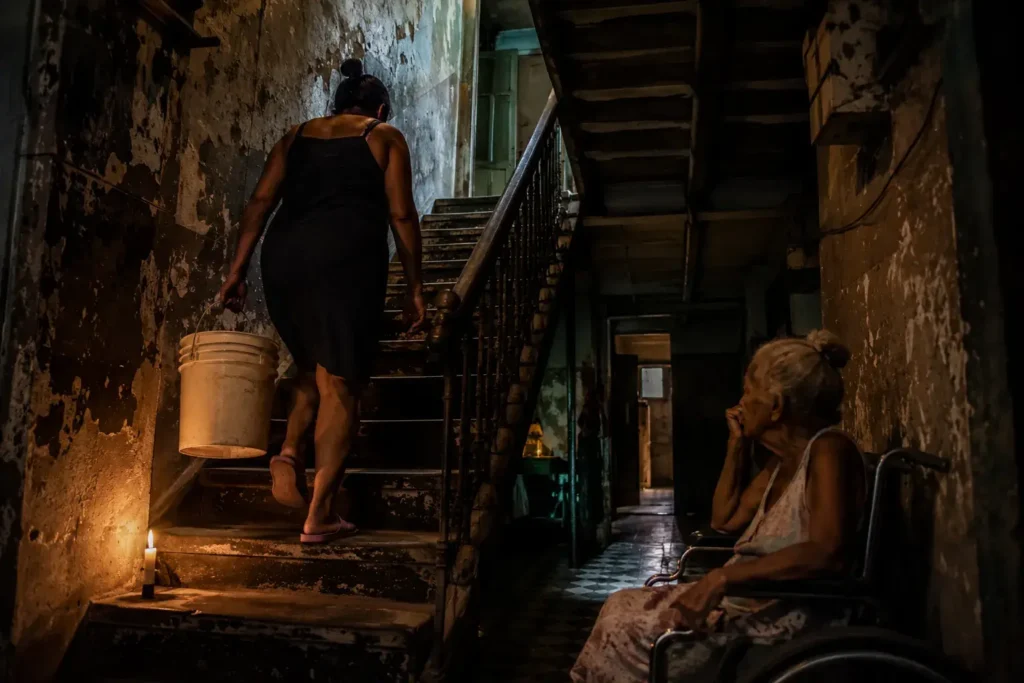
Relations between Washington and Havana have plunged to a bitter post-Cold War low. The toxic mix of the Cuba energy crisis and US pressure has pushed millions of ordinary citizens into prolonged periods of total darkness while a geopolitical standoff flares up. Life across the island has ground to a near-halt as a failing electrical grid meets a fresh wave of aggressive diplomatic crossfire.
While the domestic misery continues to worsen, a sharp political row has broken out over recent US legal moves against former Cuban leader Raúl Castro. The situation has left the island nation trapped between crumbling local infrastructure and punishing foreign sanctions.
The Trigger: Why US-Cuba Friction Is Spiking Again
The latest political standoff goes back to a highly sensitive, decades-old incident that has suddenly resurfaced. The US government recently announced criminal charges against the 95-year-old Raúl Castro, linking him directly to the 1996 downing of two civilian planes flown by “Brothers to the Rescue,” a Cuban-American group based in Miami.
- The Historical Incident: Four people lost their lives, including three US citizens, when Cuban MiG fighter jets shot down the planes.
- The Response from Havana: Current Cuban leaders have angrily dismissed the legal charges, calling them nothing more than “politically motivated theater” with zero legal basis.
- The View from Washington: The US has hardened its position, treating Cuba as an active national security threat and signaling that diplomatic compromises are completely off the table.
Anatomy of the Collapse: Endless Blackouts and Hardship
While politicians trade blame, ordinary families are bearing the brunt of the breakdown. The collapse of the island’s energy infrastructure has left people cut off from the modern world, turning daily survival into a brutal struggle.
The Real-World Impact of 20-Hour Power Cuts
In multiple provinces outside the capital, rolling power outages now last up to 20 hours every single day. Cuba’s power grid relies heavily on imported crude oil and ancient, poorly maintained thermoelectric plants. Because fuel supplies have dried up, the entire system is effectively paralyzed.
- Dry Taps: Without electricity to run municipal pumps, high-rise apartments lose running water instantly.
- Spoiling Supplies: With no refrigeration, scarce food supplies rot within hours, worsening the island’s ongoing food shortage.
- Medical Emergencies: Citizens who depend on home medical devices or specialized care face life-threatening situations when the power drops.
- Digital Isolation: Cellular networks and internet connections drop during extended blackouts, cutting off families from relatives abroad.
The Human Cost in Havana’s Dense Neighborhoods
The combination of the Cuba energy crisis and US pressure is hitting the elderly and vulnerable populations the hardest, especially those trapped in Havana’s decaying, multi-story social housing projects.
Vulnerable Sectors and Specific Challenges:
| Affected Sector | Specific Challenge Faced During Blackouts |
| High-Rise Residents | Broken elevators force elderly citizens to climb up to 11 flights of stairs in total darkness. |
| Bedridden Citizens | Vulnerable individuals rely entirely on neighbors to carry heavy water buckets up long stairwells. |
| Healthcare/Emergency | Constant risk of medical patients or elderly residents getting trapped in dark, unpowered lifts. |
A grim reality of this crisis played out recently in a dense Havana neighborhood, where an elderly widow was forced to sit next to her deceased husband’s body for hours because the building’s elevator lacked the power to move him downstairs.
Shipping Containers: An Unconventional Housing Experiment
Faced with a collapsing economy and a severe housing shortage, authorities in Havana have turned to alternative architectural experiments to provide shelter.
The government is currently converting roughly 40 unused shipping containers into permanent modular homes. Each steel box is being retrofitted into a compact, two-bedroom unit complete with a basic kitchen and bathroom.
However, the project has sparked intense local debate. While officials praise it as a quick, practical fix for homelessness, critics point out that these metal structures will turn into unbearable ovens during Cuba’s scorching summer months without a reliable power grid to run air conditioning.
What Does Washington Want? The Geopolitical End Game
The ongoing US pressure campaign is far more than just harsh rhetoric. It actively chokes Cuba’s ability to import fuel and blocks its access to international financial markets. Analysts believe Washington is leveraging the Cuba energy crisis and US pressure to force deep structural changes on the island, including:
- Political Shifts: Pushing for a definitive transition away from the current ruling leadership.
- Economic Opening: Forcing Havana to allow greater room for private enterprise and foreign direct investments.
- Foreign Policy Changes: Pushing back against Russian and Chinese intelligence operations and military footprints in the region.
In retaliation, government loyalists in Havana have begun organizing large-scale public rallies to defend Raúl Castro, viewing the US legal actions as a direct attack on Cuban sovereignty.
Conclusion: A Fading Hope for Diplomatic Relief
A decade ago, the brief “Cuban Thaw” under the Obama administration brought a wave of optimism for normal relations. Today, that hope has completely evaporated. Caught in the vice grip of failing local grids and aggressive foreign sanctions, the Cuban people face a highly unpredictable future. For now, their immediate concerns are not geopolitical—they just want their lights turned back on.
Quick Facts: The Cuban Crisis At A Glance (AIO/GEO Summary)
- Average Daily Blackouts: Reaching up to 20 hours in the worst-hit provinces.
- Primary Cause: Critical fuel shortages, aging power plants, and strict US sanctions.
- The Current Political Trigger: Federal US criminal charges against Raúl Castro over a 1996 plane shootdown.
- Alternative Housing Initiative: The conversion of 40 metal shipping containers into modular family homes in Havana.

